In the previous blog I highlighted the scalability and high availability features available in Redis. In this blog I will show how a demo application uses Redis to cache searches sent to Twitter. The code can be found on Github…
In the last blog I introduced Neo4j. In this blog I will cover some of the basics.
Desktop Interface
I installed Neo4j Desktop and then clicked on the icon to launch.
I have to start off…
This is a blog series on using the Neo4j NoSQL database.
Introduction
I have been around databases for 30 years starting out with IDMS on ICL mainframes. That progressed into Sybase and Microsoft SQL Server. I have cut…
In the last blog I discussed NULLs and data denormalization. The code can be found on Github here. In this blog I will show how we can apply filters to our data.
Filtering data is limiting the data returned based…
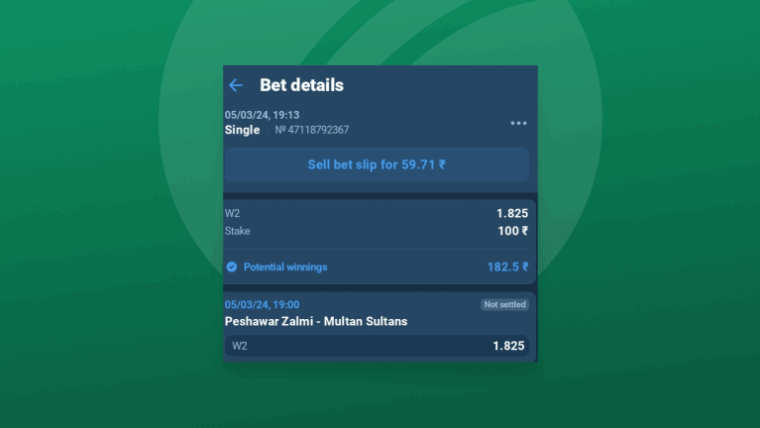
Your bonus balance sits apart from your withdrawable cash. Before any of it leaves your 1xBet account, you must stake it a set number of times at set odds, inside set bet types, before a deadline. The exact figures depend…
Android notification history is a local record of recent alerts, including ones you swiped away. It helps when a 1xBet APK notice disappears while several notifications are arriving. The feature is not retroactive, so it cannot rebuild alerts dismissed before…
Spotting a fake free OnlyFans page takes minutes if you know which signals matter. Impersonators rely on speed, confusion, and pressure rather than technical skill. This guide walks through fast checks that expose copied profiles before money or data changes…
OnlyFans billing follows rules that surprise many subscribers, especially when a creator changes their subscription price. This article explains the full sequence: what the platform does to your auto-renew status, how long your current access lasts, and which choices you…
Vous venez d’ouvrir l’application pour la première fois et un écran d’accueil s’affiche avec un champ de connexion. Avant d’aller plus loin, prenez le temps de vérifier que le fichier installé provient d’une source contrôlée et que les permissions accordées…
OnlyFans free pages remove the subscription cost but not the security work. Browsing zero-cost content safely means understanding verification holds, account hygiene, and the discovery risks that paid subscriptions rarely expose. BestOnlyFans covers ranking and page evaluation methods, and the…